Wind Energy and Health
Wind energy is one of the healthiest forms of energy generation on the planet. It does not produce air pollution, consume valuable freshwater, or produce harmful waste.

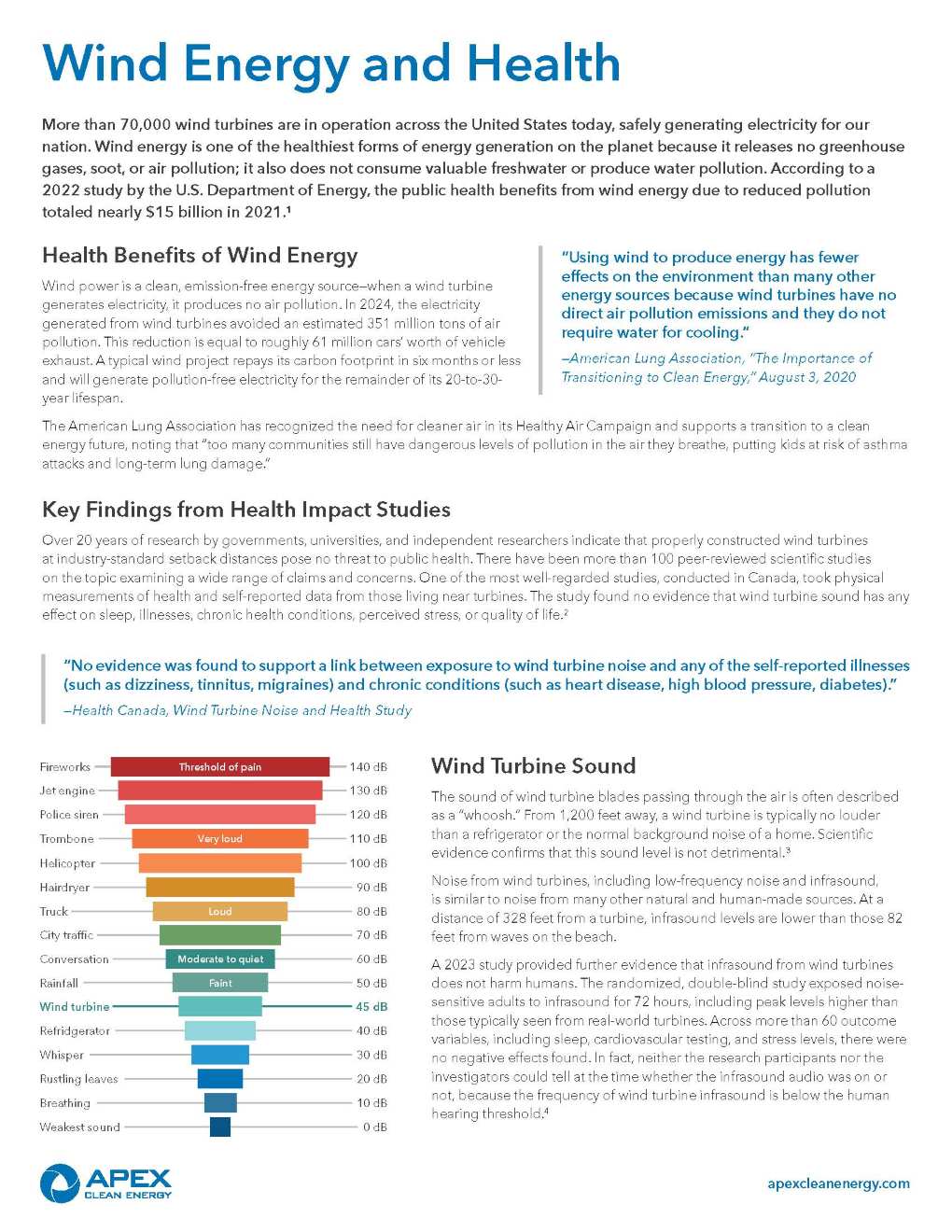
More than 70,000 wind turbines are in operation across the United States today, safely generating electricity for our nation. Wind energy is one of the healthiest forms of energy generation on the planet because it releases no greenhouse gases, soot, or air pollution; it also does not consume valuable freshwater or produce water pollution. According to a 2022 study by the U.S. Department of Energy, the public health benefits from wind energy due to reduced pollution totaled nearly $15 billion in 2021.¹
Health Benefits of Wind Energy
Wind power is a clean, emission-free energy source. When a wind turbine generates electricity, it produces no air pollution.
In 2024, the electricity generated from wind turbines avoided an estimated 351 million tons of air pollution. This reduction is equal to roughly 61 million cars worth of vehicle exhaust. A typical wind project repays its carbon footprint in six months or less and will generate pollution-free electricity for the remainder of its 20-to-30-year lifespan.
The American Lung Association has recognized the need for cleaner air in its Healthy Air Campaign and supports a transition to a clean energy future, noting that too many communities still have dangerous levels of pollution in the air they breathe, putting kids at risk of asthma attacks and long-term lung damage.
Using wind to produce energy has fewer effects on the environment than many other energy sources because wind turbines have no direct air pollution emissions and they do not require water for cooling.—American Lung Association, “The Importance of Transitioning to Clean Energy,” August 3, 2020
Key Findings from Health Impact Studies
20+ years of research by governments, universities, and independent researchers show no public health risks from properly sited wind turbines.
100+ peer-reviewed studies have examined potential health impacts and related concerns.
One of the most well regarded studies, conducted in Canada, took physical measurements of health and self-reported data from those living near turbines. The study found no link between wind turbine sound and:
- Sleep disruption
- Illness or chronic health conditions
- Stress levels
- Overall quality of life
No evidence was found to support a link between exposure to wind turbine noise and any of the self-reported illnesses (such as dizziness, tinnitus, migraines) and chronic conditions (such as heart disease, high blood pressure, diabetes).—Health Canada, Wind Turbine Noise and Health Study
Wind Turbine Sound
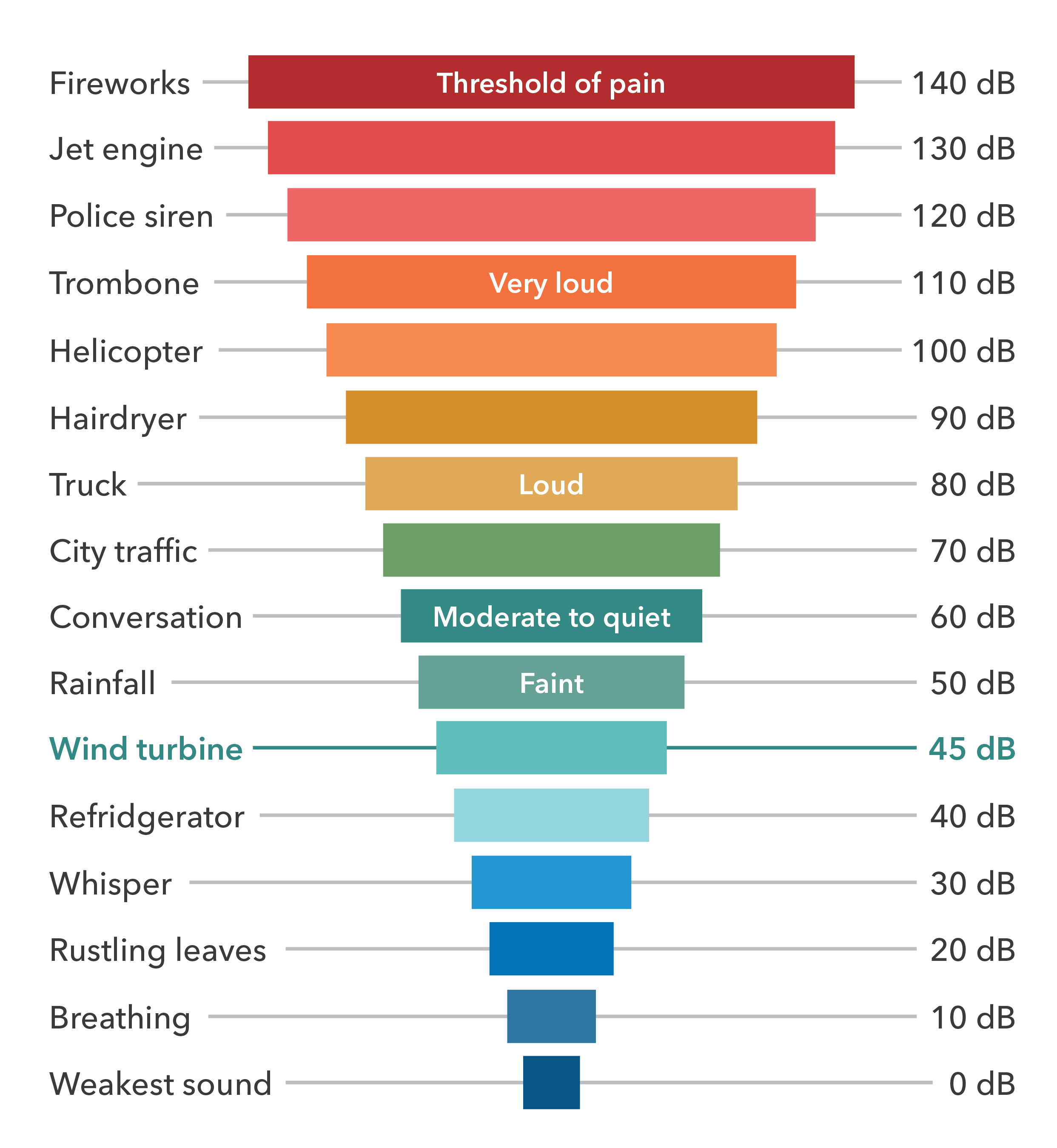
The sound of wind turbine blades passing through the air is often described as a “whoosh.” From 1,200 feet away, a wind turbine is typically no louder than a refrigerator or the normal background sounds of a home. Scientific evidence confirms that this sound level is not detrimental.3
Noise from wind turbines, including low-frequency noise and infrasound, is similar to noise from many other natural and human-made sources. At a distance of 328 feet from a turbine, infrasound levels are lower than those 82 feet from waves on the beach.
A 2023 study provided further evidence that infrasound from wind turbines does not harm humans. The randomized, double-blind study exposed noise-sensitive adults to infrasound for 72 hours, including peak levels higher than those typically seen from real-world turbines. Across more than 60 outcome variables, including sleep, cardiovascular testing, and stress levels, there were no negative effects found. In fact, neither the research participants nor the investigators could tell at the time whether the infrasound audio was on or not, because the frequency of wind turbine infrasound is below the human hearing threshold.4
“There is no significant body of peer-reviewed, scientific evidence that clearly demonstrates a direct link between adverse physical health effects and exposures to noise (audible, LFN, or infrasound), visual phenomena (shadow flicker), or EMF associated with wind turbine projects.”—Ohio Department of Health, Wind Turbines and Wind Farms: Summary and Assessments (2022)
Shadow Flicker
“Shadow flicker” refers to the shadows cast by wind turbine blades as they rotate in front of the sun.
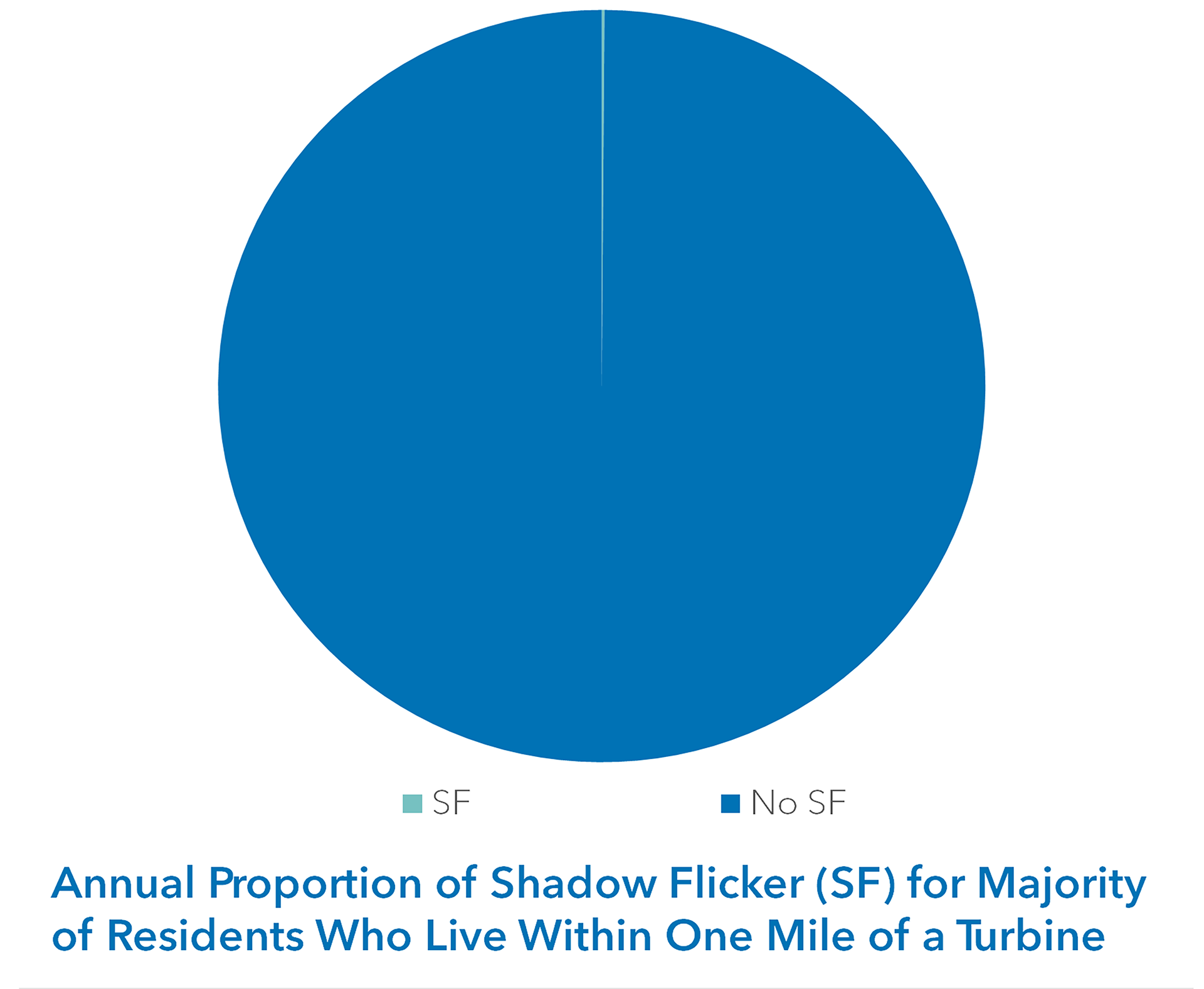
By positioning wind turbines at a carefully calculated angle and distance from dwellings, Apex ensures that most homes in a project experience no shadowing at all. For those that do, shadowing should occur for no more than a few minutes per day, on average.
Shadowing does not occur on cloudy or foggy days. Shadow flicker diminishes rapidly with distance and can be accurately modeled and predicted to determine exactly when it might take place at a given location.
Numerous studies have concluded that shadow flicker does not pose a risk of seizures for the small percentage of people with photosensitive epilepsy. The frequency of shadow flicker (between 0.3 and 1 hertz) is more than 10 times lower than the threshold for photosensitive epilepsy (5 to 30 hertz).3
Wind Turbine Safety
Wind turbines have an excellent safety record, and Apex Clean Energy has been recognized as an industry leader in safety planning and execution. Apex safety professionals regularly conduct drills with local first responders at each project. Our multilayer emergency action plans are some of the most comprehensive in our field, and we are constantly updating them as new information, tools, and technologies emerge.
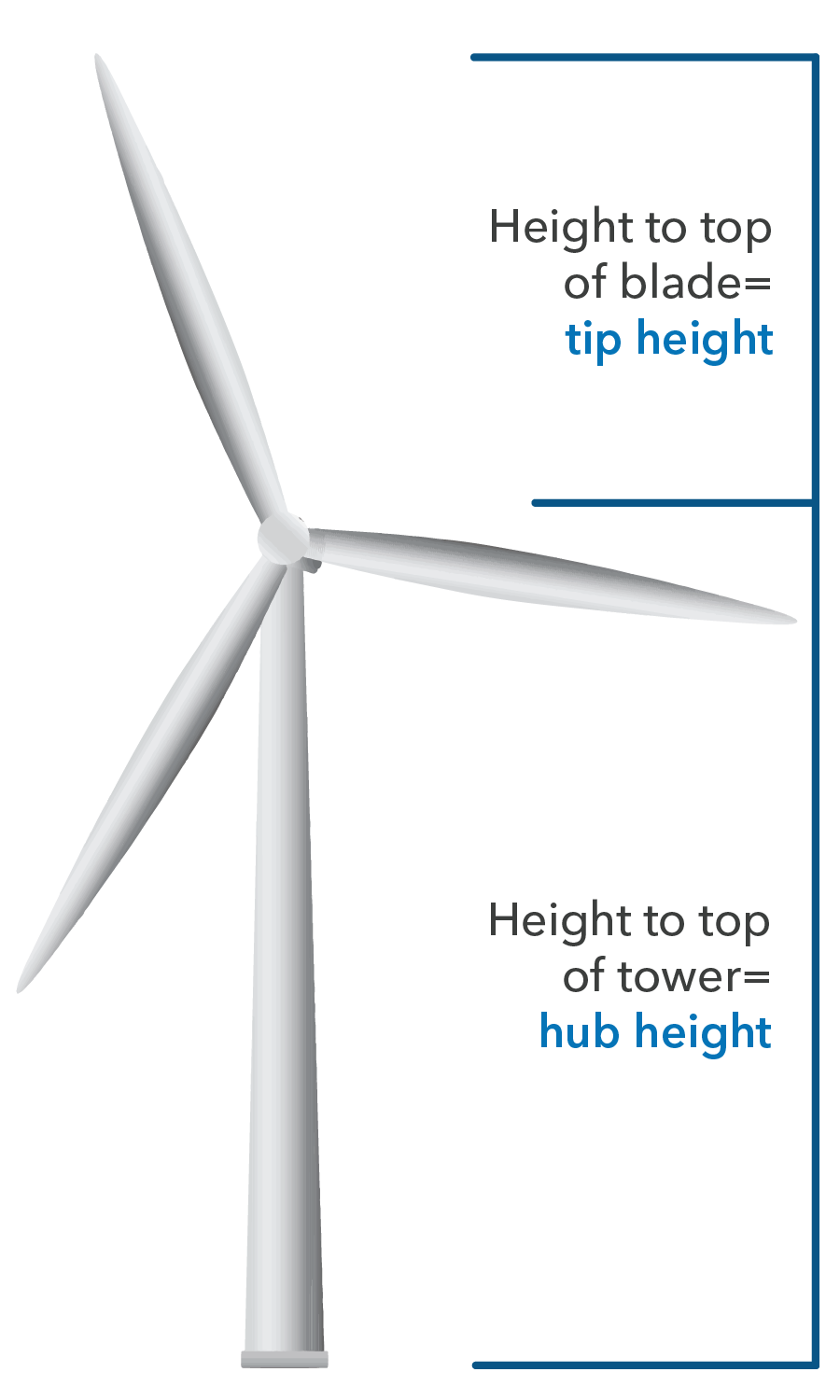
The rare safety concerns associated with wind turbines, such as ice shedding, fire, and mechanical failure, are addressed by state or local regulations and industry standards that ensure reasonable setbacks are established from residences, public roads, and other areas of concern. These setbacks are typically proportional to the size of the turbine and blades (e.g., 1.1 times or 1.5 times the total height of the turbine with the blade extended upright).
Apex wind projects are built in full compliance with local, state, and federal safety regulations to protect the health and welfare of landowners, maintenance teams, and the surrounding community. Wind turbines are also certified to meet reliability and safety standards set by the International Electrotechnical Commission (IEC).