Local Vendor Program
Engaging Community Businesses to Bring Wind Projects to Life
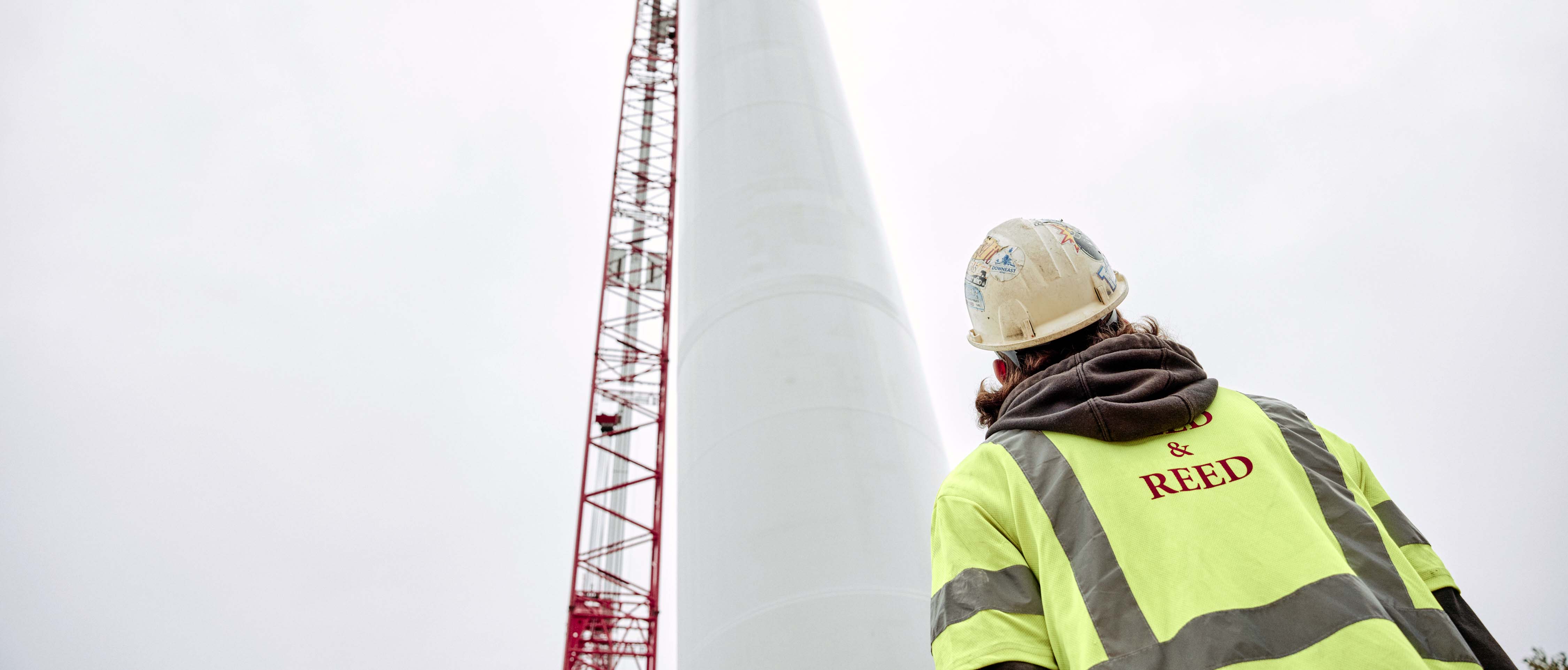
Wind energy projects are major economic investments that create hundreds of construction jobs, significant spending with local and regional businesses, and long-term operations jobs and contractor needs through the life of the project.
Wind farm construction is a very specialized process, but it requires common products and services, many of which can be found locally. Apex will be selecting an Engineering, Procurement, and Construction (EPC) contractor to build the project, and this contractor will be responsible for hiring individuals and subcontractors to complete the project.
By signing up with the project’s Local Vendor Program, you can ensure that your company’s name and contact information will either be included on the primary contractor bid list or be provided to the primary contractor(s) before they select their subcontractors and suppliers.
Local Vendor Signup
Building a Wind Farm
Below is a list of areas where contractors, suppliers, and workers may have an opportunity to participate in the construction of a wind energy project.
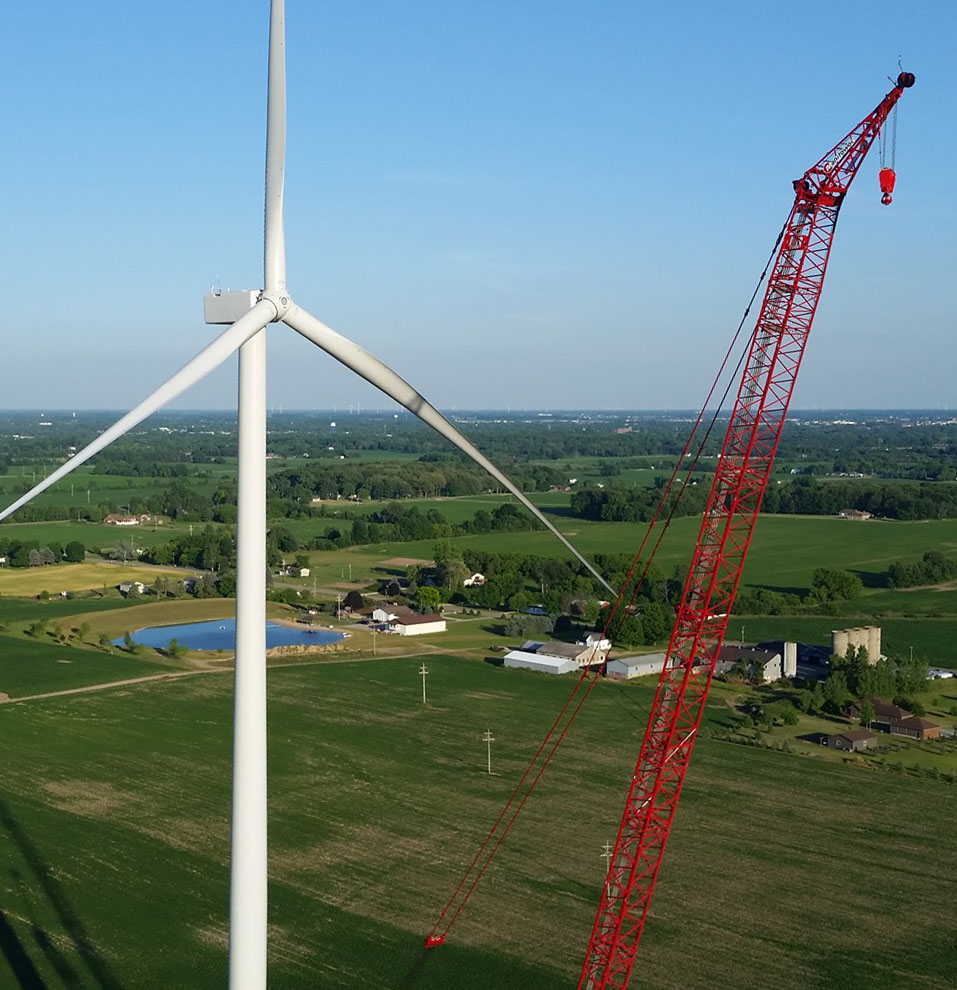
The typical construction timeline is approximately 9 to 12 months from the start of construction to the commercial operation date. The work consists of upgrading and building new stone roads, forming and pouring large concrete foundations, installing underground electrical systems and overhead high-voltage transmission lines, constructing a project-specific substation, erecting the wind turbine tower and generator, and completing the mechanical and electrical connections. In addition to specific construction services, local equipment suppliers, hotels, restaurants, and gas stations may see an influx of customers during construction.
Major Contractors
Apex generally selects an Engineering, Procurement, and Construction (EPC) contractor (much like a general contractor) to lead the project’s construction in coordination with our internal construction management team. The EPC contractor manages all subcontractors for the project to ensure it is constructed safely and on schedule. Other major contractors who typically work alongside the EPC include:
- Civil/Site Contractor: Responsible for building turbine access roads and grading around turbine installations.
- Foundation Contractor: Responsible for forming, tying rebar, and procuring and pouring concrete foundations.
- Mechanical/Turbine Erection Contractor: Responsible for compiling turbine components, erecting turbine towers, and installing turbine generators, hubs, and blades.
- Electrical/Substation Contractor(s): Responsible for the design and construction of the substation, transmission line, underground collection lines between turbines, and wiring of the turbines.
Original Equipment Manufacturers (OEMs)
The equipment on a wind project is a significant investment. Procurement of wind turbines and other major components are typically handled by Apex Clean Energy, while other components may be procured by the EPC. Major suppliers include:
- Turbine Supplier: Responsible for providing the wind turbines and major turbine components. The specific wind turbine model is selected closer to project construction, and multiple turbine models may be under consideration during permitting.
Wind turbines and their components are manufactured throughout the world, including right here in America. U.S.-based GE and Denmark-based Vestas are two of the world’s largest turbine manufacturers, both of which have significant manufacturing facilities in the United States, from GE’s nacelle manufacturing facility in Pensacola, Florida, to Vestas’s blade manufacturing facilities in Colorado.
The turbine supplier will also support the project with technicians during the commissioning and operations phase of the project. Other companies like Michigan-based Ventower manufacture the steel tower sections for the wind turbines themselves.
- Main Power Transformer (MPT) Supplier: Responsible for providing the project MPT(s), dress out, and start-up of the MPT(s).
Construction Jobs
Specific job roles on a wind project include both skilled and unskilled labor. Skilled labor refers to labor that requires workers who have specialized training or a learned skill-set to perform the work. Activities include Stormwater Pollution Prevention Plans (SWPPP) installation and maintenance and drain tile repairs, among others.
Unskilled labor does not require workers to have special training or skills. Activities include waste management, portable restroom maintenance, and traffic control/flagging.
Other potential roles during construction include:
- Carpenters: Concrete form work, stairs, and decking (for office trailers).
- Concrete Finishers: Substation foundation finishing work.
- Rod Busters: Tie rebar for substation foundation pours.
- Equipment Operators: Operate track hoes, bulldozers, motor graders/scrapers, backhoes, track/rubber tire loaders, skid steers, etc.
- Pipe Fitters: Fit pipes to walls, structures, and fixtures, such as radiators or tanks, using brackets, clamps, tools, or welding equipment. Pipe fitters measure and mark pipes for cutting, threading, and welding.
- Pipe Welders: Complete each weld to the specified standards using appropriate equipment and materials.
- Riggers: Align, level, and anchor machinery. Attach loads to rigging to provide support or prepare them for moving, using hand and power tools. Attach pulleys and blocks to fixed overhead structures, such as beams, ceilings, and gin pole booms, using bolts and clamps.
- Electricians: Read blueprints or technical diagrams. Install and maintain wiring, control, and lighting systems. Inspect electrical components, such as transformers and circuit breakers. Identify electrical problems with a variety of testing devices.
- Project Manager: Plan, budget, oversee, and document all aspects of the specific project.
- Superintendent: Trade-specific; responsible for scheduling, inspections, quality control, and job site safety.
- On-Site QA/QC Managers: Inspect, test, and sample materials or assembled parts or products for defects and deviations from specifications.
- Site Safety Personnel: Ensure that construction workers follow established policies and safety regulations.
- Site Project Scheduler: Organize, implement, and maintain scheduling management system supporting identified projects and their plans. Assist to set up tasks and sub-tasks to ensure satisfactory realization of project contract requirements as scheduled.
- Craftworkers: On-site creation or reproduction of objects using a variety of techniques.
Operations and Maintenance Jobs (Post-Construction)
Once the project is operational, several long-term positions will maintain the project over time, including:
- Facility Manager: Oversees the wind farm’s daily operations. Responsible for ensuring staff are maintaining and operating the equipment and that the facility is producing energy as expected.
- Deputy Facility Manager: Provides technical and subcontractor support to the Facility Manager for the operations and maintenance of the wind farm. This includes managing the facility’s subcontractors, site maintenance and operation, training, equipment testing, and responding to emergencies.
- Wind Turbine Technician: Inspects the exterior and physical integrity of towers. Climbs towers to inspect or repair turbine equipment. Collects turbine data for testing or research and analysis.
- Remote Operations Control Center: Monitors and helps control the operation of the wind facility from Apex's corporate headquarters in Charlottesville, Virginia.
Local Vendors and Suppliers
Beyond the major contractors, there are many products and services needed for construction that will be procured locally. Those include:
- Surveying: As-builts, ALTA survey, road and facility layout
- Sanitary Facilities: Portable toilets, temporary trailer hookup
- Road aggregate
- Utility fiber-optic cables: Provides internet access for facility
- Trucking: Stone hauling, equipment hauling
- Piping: PVC, steel, drain tile repair, irrigation repair
- Fuel: Off/on-road diesel, gasoline
- Concrete: Off-site or on-site (batch plant)
- Cement stabilization
- Water
- Ice
- Office trailers
- Office supplies
- Electrical service
- Phone/Internet service
- Paving
- Construction material testing
- Engineering services
- Drilling contractors: Substation piers
- Boring contractor: Road and pipe bores
- Dewatering
- Equipment rentals: Lights, generators, tools, equipment
- Trenching
- Restaurants
- Convenience stores
- Grocery stores
- Local housing
- Mobile home parks
- Retailers
- Gas stations
Wind Energy: Powered by Local Businesses and American Manufacturing
In Illinois, Ford County Wind generated more than 250 jobs during construction and powered jobs across the country—from Apex Clean Energy’s headquarters in Charlottesville, Virginia, to General Electric’s manufacturing facilities in Pensacola, Florida, and beyond.
Hear from the women and men powering America through their work to support Ford County Wind.